01 · Context
Water managed by the community itself
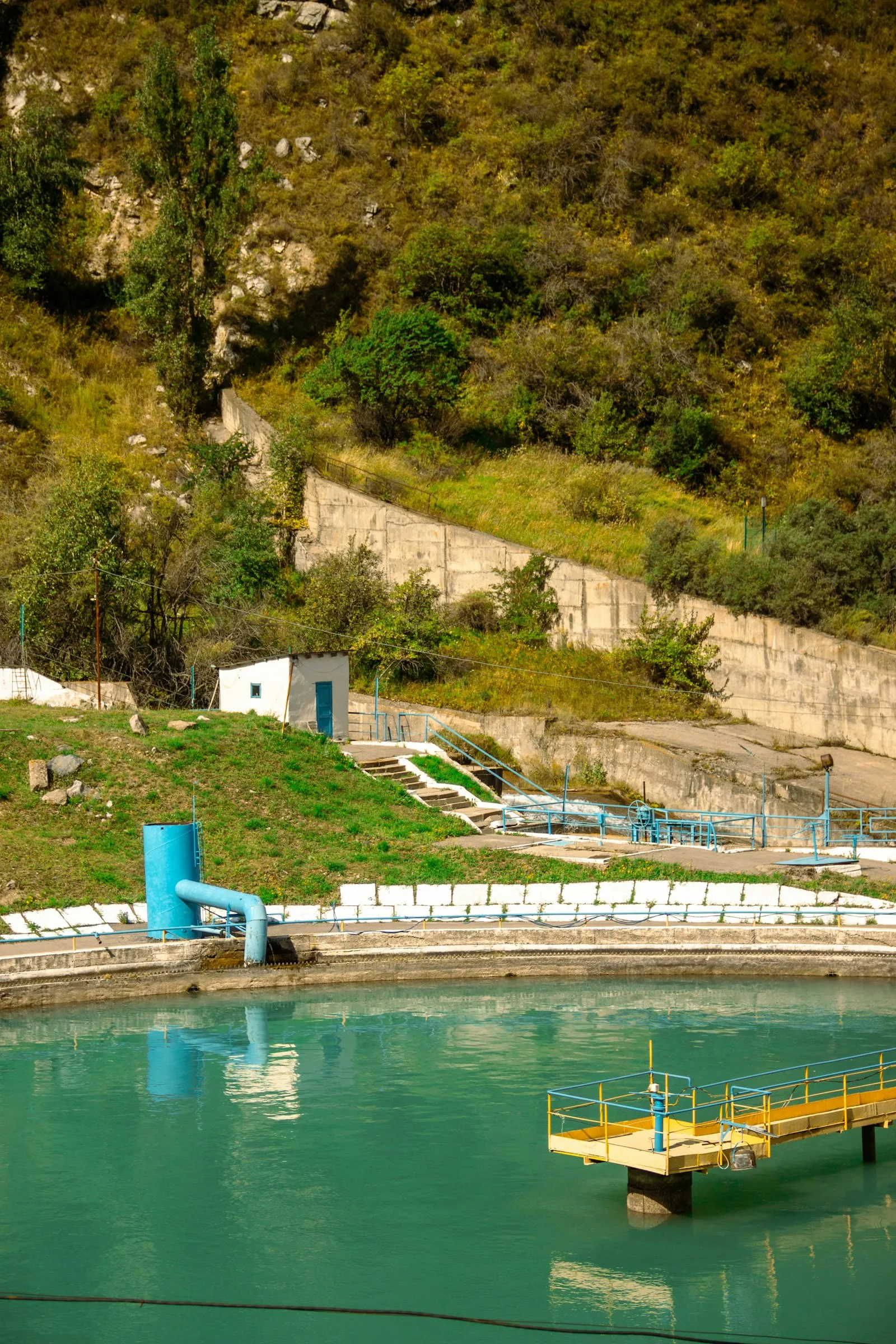
Many rural towns are not connected to a drinking water distribution network. Instead they have their own systems, which pump groundwater from wells and store it in tanks, and which the community itself runs through committees or cooperatives.
The people who manage them are neighbors, not professional water treatment teams, and they rarely have analytics tools. With drought and a water crisis, planning water use with data matters more and more. The project was for a private foundation that supports dozens of these systems across different parts of the country.
02 · Solution
A data product to plan ahead
A data product built on telemetry from wells and tanks:
- Integration of each system’s telemetry, cleaned and in a common format.
- In-house forecasting: algorithms developed by the team that project each system’s water supply and demand.
- Indicators for energy use, extraction pump performance and specific capacity.
- Alerts and recommendations inside the platform, when the projection shows it is time to act.
03 · How it works
A flow that scales
There is no single big model: each system has its own particularities and its own model. The challenge was to design a standardized flow for integration, training and deployment, so dozens of systems could be added without redoing the work for each one.
04 · A key indicator
Specific capacity
Specific capacity measures how much water a well delivers for every meter its level drops while pumping. It shows the well’s real capacity, beyond how much was pumped on a given day.
Using all the available history, we studied how this indicator changed over time. If it trends down, the well is losing capacity, either because of the well’s condition or because less groundwater is available. Following that trend helps anticipate operating decisions, such as adjusting pumps or changing pumping schedules.
05 · Results
What changed
Real results · no figures for confidentiality- Increase: Supply and demand projections for every system
- Increase: Preventive alerts and recommendations
The systems now have a platform with telemetry and remote control, plus water supply and demand projections. Communities and those who support them have analytics tools to make preventive decisions.
06 · My contribution
From problem to production
- 01Technical designUnderstand
- Understanding the problem together with the foundation.
- Designing the module screens.
- 02Design
- Solution architecture and how to deploy the models.
- A standardized, scalable flow for dozens of systems.
- 03Specify
- Energy and pump performance indicators.
- Specific capacity study.
- 04Prototype
- Small proofs of concept to clear the way for development.
- 05LeadershipShip
- Coordinating and managing the data team.
- Implementation and release to production.
07 · Technologies